



City of Angels: A Complete Guide to the Musical’s Jazz Score
The Jazz Score That Powers City of Angels
Few Broadway musicals have a score as distinctive as City of Angels. Cy Coleman’s jazz-inspired music does more than accompany the story, it shapes it, shifting effortlessly between the bright energy of 1940s Hollywood and the moody atmosphere of classic film noir.
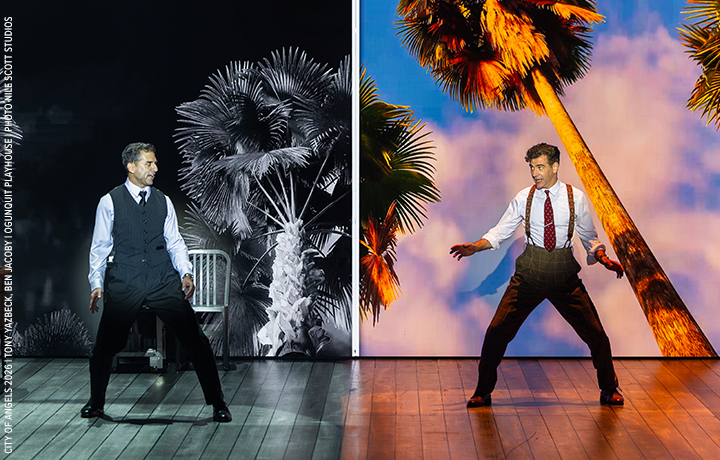
With lyrics by David Zippel and a book by Larry Gelbart, City of Angels is a Tony Award-winning musical comedy that uses every song to move the story forward. Each number develops both the real-world journey of novelist Stine and the black-and-white detective tale featuring his fictional creation, Stone.
At Ogunquit Playhouse, City of Angels runs from July 23 through August 22, 2026, bringing this remarkable score to life on the Maine coast. Whether you’re discovering the musical for the first time or revisiting a favorite, this guide explores every song and the role it plays in one of Broadway’s most inventive musicals.
Who Wrote the Songs in the City of Angels?
The music for City of Angels was composed by Cy Coleman, one of Broadway’s most celebrated composers. His credits include Sweet Charity, Barnum, and The Will Rogers Follies. David Zippel wrote the lyrics, pairing sharp wit with Coleman’s sophisticated, jazz-inspired score.
Together, Coleman and Zippel created a musical that seamlessly shifts between two worlds: the polished glamour of Stine’s Hollywood and the darker, more cynical world of private detective Stone. The score plays a central role in distinguishing these parallel stories, helping City of Angels earn the 1990 Tony Award for Best Original Score.
The Sound of the Show: Jazz, Noir, and Old Hollywood
The music of City of Angels stands apart from many Broadway musicals. Rather than following a traditional musical theatre sound, Cy Coleman’s score draws heavily on big-band jazz, blues, and the smoky atmosphere of classic film noir. Every style serves the story, helping distinguish the parallel worlds of novelist Stine and detective Stone.
Throughout the show, you’ll hear:
- Big-band swing inspired by the jazz of the 1940s
- Torch songs that reveal the characters’ deepest emotions
- Clever duets and ensemble numbers influenced by classic noir storytelling
- Lyrical ballads that provide the show’s emotional heart
- Recurring musical themes that connect the two narratives
The result is a jazz score that’s both entertaining and inventive. Whether you’re drawn to classic Broadway musicals, the sounds of the Swing Era, or smart, character-driven storytelling, City of Angels offers a listening experience unlike any other.
City of Angels Songs: Act One
Prologue: Theme from City of Angels
The show opens with its central musical motif, a moody, atmospheric jazz theme that immediately establishes the dual-world tension at the heart of the production. Before a word is spoken, the score tells you exactly where you are.
Double Talk
This number introduces the wit and wordplay that defines the show. Characters in both the real world and Stone’s fictional noir existence speak past each other, revealing how easily language can deceive, a central theme of the entire musical.
What You Don’t Know About Women
A sharp, funny number that draws back the curtain on the assumptions men make. It’s one of the score’s early showcases for Zippel’s clever, barbed lyric writing, delivered with the confidence of characters who know exactly who they are.
Ya Gotta Look Out for Yourself
A cynical but irresistibly catchy number from the noir world of Stone, this song captures the self-preservation logic of every hard-boiled detective story. It lands with knowing humor and a swagger that sets the film noir scenes apart from Stine’s real-world drama.
The Buddy System
A comedic highlight of Act One, this ensemble number plays on loyalty, friendship, and the absurd logic of the Hollywood studio system. It’s the kind of song that reminds audiences this is, at its heart, a musical comedy.
With Every Breath I Take
One of the score’s most celebrated ballads. Haunting, lush, and deeply romantic, this is City of Angels at its most emotionally direct. It has become one of the best-known songs from the show and a standard in the jazz musical theater canon.
The Tennis Song
A quick, fizzing comic number that uses the rhythm and language of a tennis match to mirror a conversation spiraling out of control. It’s one of the score’s most inventive structural jokes.
Ev’rybody’s Gotta Be Somewhere
A brisk ensemble piece that captures the transient, hustling energy of 1940s Hollywood. Everyone on stage has an agenda, and the song makes sure you know it.
Lost and Found
A reflective, bittersweet number that slows the pace of Act One for a key emotional beat. The song reminds us that beneath the jazz-cool surface of the show are real people searching for something.
All Ya Have to Do is Wait
A slow-burn number with a sardonic edge, perfectly placed to build tension in the noir storyline. Stone’s world has its own rhythms, and this song captures the fatalistic patience of the classic detective.
You’re Nothing Without Me
The Act One showstopper. Stine and Stone confront each other in one of musical theater’s most audacious numbers, a creator and his creation going head-to-head. It’s funny, thrilling, and unlike anything else in the Broadway repertoire.
City of Angels Songs: Act Two
Stay with Me
Act Two opens with an urgent, emotionally raw ballad that raises the stakes for everything that follows. The song strips away the cool sophistication of the score’s jazz surface to reveal the human cost of Stine’s choices.
You Can Always Count on Me
One of the show’s signature numbers and a fan favorite, this torch song is delivered by Alaura’s maid Donna. Funny, knowing, and a little heartbreaking, it’s a perfect example of how City of Angels uses comedy and emotion simultaneously.
Double Talk (Reprise)
The return of the show’s central motif carries more weight the second time around. What seemed witty in Act One now reveals its darker implications as Stine’s world and Stone’s begin to collapse into each other.
Stay with Me (Reprise)
The reprise deepens the emotional resonance of the Act Two opener, as the consequences of both storylines begin to crystallize. It’s a reminder that in the City of Angels, music does the work that words alone can’t manage.
It Needs Work
A dry, cutting number set in the world of Hollywood development, where everyone has an opinion and nothing is ever quite right. It skewers the creative compromises Stine is forced to make with sharp comedic precision.
With Every Breath I Take (Reprise)
The reprise transforms the show’s most famous ballad. Heard again with the full weight of the story behind it, the song becomes something quietly devastating.
Funny
A deceptively simple number that builds to one of the show’s most emotionally complex moments. It’s the kind of song that makes you laugh and then quietly catches you off guard.
I’m Nothing Without You
The emotional mirror to “You’re Nothing Without Me,” this late-show number brings the relationship between Stine and Stone full circle. It’s a duet that reframes everything that came before it.
Epilogue: Theme from City of Angels
The show closes with a return to its opening motif, but transformed by everything that has happened. It’s a quietly powerful conclusion that lets the score have the final word.
Double Talk Walk (Curtain Call)
The curtain call number sends the audience out on a high, recapping the show’s musical and comedic DNA in a piece designed for pure, joyful celebration. It’s the kind of finale that lingers long after the lights go up.
How the Songs Shape the Story
In City of Angels, the songs do far more than accompany the action, they help tell the story. The score reflects the show’s two parallel worlds. In Stine’s Hollywood, the music captures ambition, romance, and the compromises that come with success. In Stone’s black-and-white detective world, it leans into the wit, mystery, and tension of classic film noir.
Several songs and musical themes return throughout the show, including “Double Talk,” “With Every Breath I Take,” and “Stay with Me.” Each reprise adds new meaning as the characters and their relationships evolve. By the time the Epilogue arrives, the music has helped bring the two storylines together in a satisfying conclusion.
This thoughtful approach to storytelling is one of the reasons City of Angels remains a favorite among musical theatre fans. Its jazz score doesn’t simply entertain, it deepens the characters, strengthens the narrative, and explores themes of creativity, compromise, and truth.
Experiencing City of Angels at Ogunquit Playhouse
At Ogunquit Playhouse, City of Angels plays from July 23rd through August 22nd, 2026. It’s a rare opportunity to hear this celebrated jazz score performed live — with full orchestra, an exceptional cast, and the atmosphere that only a summer evening on the Maine coast can provide.
America’s Foremost Summer Theater has been bringing performances like this to audiences for over 90 years. Whether you’re hearing this score for the first time or returning to a show you love, City of Angels at the Playhouse is the kind of live theatrical experience that reminds you why live entertainment matters.
View all current shows and plan your visit at ogunquitplayhouse.org/shows/whats-on/
City of Angels at Ogunquit Playhouse
July 23rd – August 22nd, 2026 | 10 Main St, Ogunquit, ME 03907
Frequently Asked Questions About the City of Angels Songs
How many songs are in City of Angels?
City of Angels features around 20 musical numbers across two acts, showcasing a mix of jazz standards, heartfelt ballads, ensemble pieces, and recurring musical themes that help connect the show’s parallel storylines.
Who composed the music for City of Angels?
The music was composed by Cy Coleman, with lyrics by David Zippel and a book by Larry Gelbart. The score received the 1990 Tony Award for Best Original Score.
Is City of Angels a jazz musical?
Yes. City of Angels is widely regarded as one of Broadway’s defining jazz musicals. Cy Coleman’s score draws inspiration from big-band swing, blues, bebop, and the sound of 1940s Hollywood, creating a musical style that perfectly complements the show’s film noir setting.
What is the most famous song from City of Angels?
“With Every Breath I Take” is generally considered the show’s signature song and has become a favorite among jazz and cabaret performers. Other standout numbers include “I’m Nothing Without You,” “You Can Always Count on Me,” and “Double Talk.”
Is City of Angels a jukebox musical?
No. City of Angels features an original score written specifically for the musical by Cy Coleman and David Zippel. Unlike a jukebox musical, which is built around previously released songs, every number was created to support the show’s story and characters.